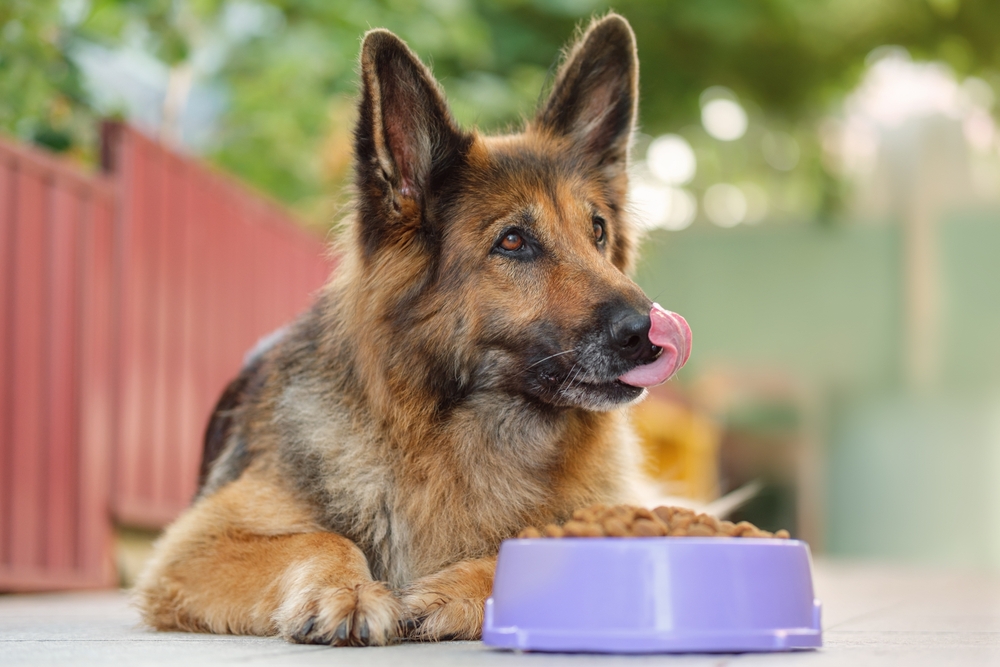
Dogs are creatures of habit, and many seem perfectly happy eating the same meals every day. For pet owners, following a fixed feeding routine can also make things easier to manage, from monitoring appetite to keeping track of digestion. However, there is one question worth considering: can eating the same food every day provide dogs with everything they need to stay healthy?
A dog’s daily diet involves more than simply filling its stomach. The nutritional value of each meal plays an important role in its overall health, and not every feeding routine offers the same benefits.
Can A Dog Eat The Same Food Every Day?
Yes, dogs can eat the same food every day. It is healthy for a dog if it eats the same food every day, as long as the food meets all the needs of the dog nutritionally. Dog food labeled as complete and balanced is formulated to provide the essential nutrients a dog needs. Pet owners should check the nutritional adequacy statement to ensure the food is appropriate for their dog’s life stage.

Eating the same food every day allows the owner of the pet to detect any changes in the behavior, digestion, and energy level of the dog. The problem may arise when the dog is subjected to a lot of changes in the food.
The Problem Of Same Food Not Being Nutritious
The first problem lies in the assumption that any kind of food is okay for a dog if it eats it happily. Feeding a dog plain chicken and rice on a regular basis seems like a good idea at first, but the truth is that this type of food is not always nutritious enough. The amount of nutrients such as calcium, essential fatty acids, vitamins, etc. is not enough for a dog.

In addition, table scraps may be another source of trouble when it comes to feeding a dog. Even though plain meat, rice, vegetables, and eggs seem like they can provide enough nutrients, the combination of foods that does not take into account the proper ratio of these nutrients does not make a diet nutritionally complete. Too many treats may also reduce the amount of proper nutrition. According to the general rule, the portion of treats per day should not exceed 10% of the daily calorie intake.
Do Dog Owners Need To Change Foods For Their Pets Frequently?
There is no need to switch foods very often just for variation if the animal receives the proper nutrition and maintains an appropriate weight, produces normal stools, and has enough energy. Frequent changes in diet without any specific reasons may cause digestive issues, especially abrupt changes.

However, the food switch may be necessary when the dog has some health problems, has some food intolerance, reaches another life stage, and has to consume a different number of calories. The gradual transition over a one-week period can be helpful during the food change.
Signs Showing That Your Dog Has A Balanced Diet
The physical condition of your pet may help you figure out whether its diet is balanced or not. If the dog does not have health problems, it must be healthy, have the right body weight, energy level for its age and activity, and have a stable appetite. Good condition of the skin and hair and regular bowel movements are also evidence of its good health.

However, these signs will not give you an idea about the presence of all the necessary nutrients in its diet. Deficiencies can occur without any apparent signs at first. Regular visits to the veterinarian will help you check the health condition of your pet.
Conclusion
Dogs are able to consume the same food daily without having any problems associated with nutrition since they receive all required nutrients through food that is balanced and is suitable for each individual dog. It is not necessary to change the diet regularly to provide variety. This approach is useful in controlling discipline, the digestive system, and the appetite of the dog.
However, if you feed a dog with non-balanced food, give too many treats, and feed food unsuitable for its age, there can appear some nutritional problems. In this case, it will be more important to choose the right food, feed it properly, give enough water, and visit a veterinarian than to change food.
