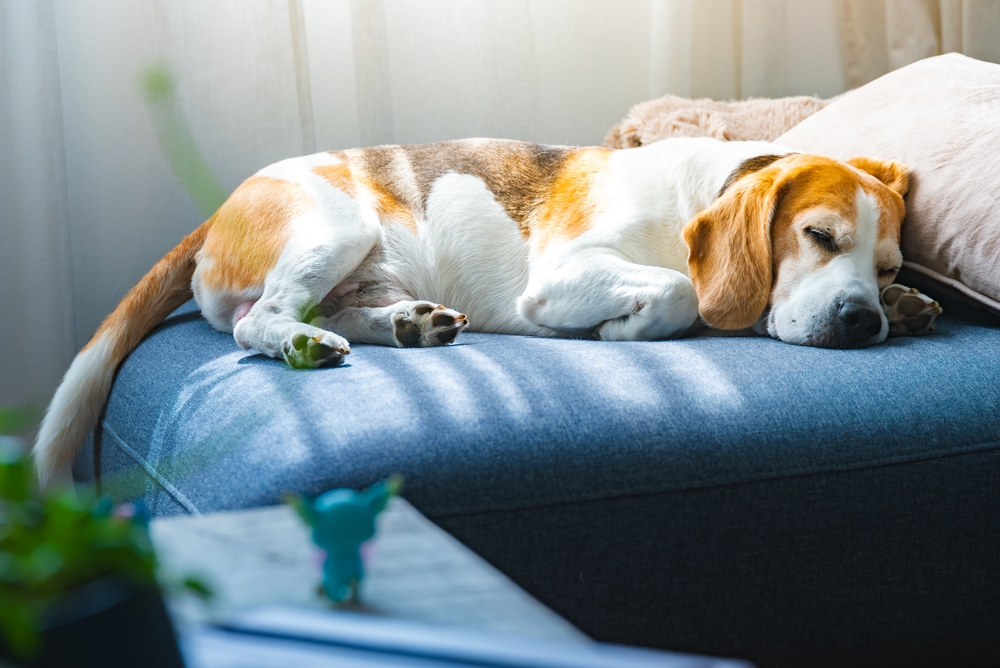
A sleeping dog can be surprisingly entertaining to watch. One moment, your pup is curled up peacefully in their favorite spot; the next, their paws are twitching, their nose is moving, or a tiny yip breaks the silence. Sometimes, it almost looks as though they’re chasing a squirrel or running toward someone they love.
These little sleep-time movements raise an interesting question: Do dogs actually dream, and what might they be dreaming about? Science suggests the answer is yes. Research indicates that dogs experience dream-associated sleep, much like humans do.
Let’s explore what scientists know about canine dreams and what might be happening in your pup’s mind while they snooze.
The Science of Canine Sleep: How We Know They Dream

To understand what might happen in a dog’s dreams, scientists look at the similarities between canine and human sleep. Research suggests that both share several important sleep patterns, including rapid eye movement (REM) sleep.
As your dog falls asleep, they move through different sleep stages. Dogs eventually enter rapid eye movement (REM) sleep, a stage marked by increased brain activity and associated with dreaming. The timing varies, so REM sleep does not begin at exactly the same point for every dog.
Those little sleep-time movements have a neurological explanation. The pons, a structure in the brainstem, plays a role in regulating muscle activity during REM sleep. This mechanism generally limits major movements, although smaller twitches and other movements can still occur.
When this mechanism does not fully suppress muscle activity, some movements may occur during sleep. Puppies and older dogs can display more noticeable twitching or vocalizations, although these movements do not reveal exactly what they are dreaming about.
What Do Dogs Dream About?

Now comes the real curiosity. What’s showing on the big screen inside your dog’s mind? While humans dream about flying, falling, or wild adventures, dogs seem to process their own daily stories and connections. Here’s what behavior experts say are the themes your dog probably revisits at night:
1. Chasing and Adventuring
If you spot paws paddling and hear quiet yips, your dog could be back in the park chasing a ball or sprinting after a squirrel. Their dreams replay those joyful, speedy highlights, every exciting scent, every victory lap.
2. Time With Their Favorite People and Pals
You might see a tiny tail wag or hear a contented sigh. During these times, your dog is dreaming of the things they love—playing fetch with you, body rubs, tug-of-war, and snuggling up with you on the couch. Dogs love to connect, and they do in their dreams.
3. Calm, Everyday Rituals
Not every dream is high drama. Sometimes, your dog just goes over daily routines: the jingle of their food bowl, waiting by the door for you to come home, and that blissful car ride with ears flapping in the breeze.
There is a scientific reason researchers consider familiar experiences a possible part of dreaming. In a study published in Neuron in 2001, researchers at MIT observed sleep-related brain activity in rats that resembled patterns recorded while the animals were running a track. The results suggest that the brain can reactivate aspects of waking experiences during sleep.
4. New Sights, Smells, and Noises
Dreams sometimes act like a filing folder for all the new stuff they’ve taken in. The sidewalk you’ve never walked before, a new canine buddy, and an unforgettable whiff from a bush. Sleep is when their brains sort and save these sensory highlights for later.
Do Different Breeds Dream Differently?

Believe it or not, dog dreams aren’t all alike. Breed and size influence their dreaming. Smaller dogs, including Chihuahuas and Yorkshire Terriers, may experience shorter bouts of dreaming, often accompanied by tiny paw movements, nose twitches, or soft yips.
Bigger breeds, such as Retrievers and Mastiffs, may have longer dream periods, with their paws occasionally moving as though they’re chasing something in their sleep. And of course there’s age. Puppies have crazy dreams because the whole new world is going into their brains. Old dogs also relive good memories when they sleep.
Should You Wake a Dreaming Dog?

When your dog starts acting out what looks like a stressful dream, you might feel the urge to wake them and comfort them. But experts say, let sleeping dogs lie. Waking a dog suddenly can startle them, and even a normally gentle pet may react defensively when confused or frightened.
If your dog seems to be having an intense dream, speak softly from across the room. Let them wake up in their own time, calmly and safely. Repeated violent movements, prolonged episodes, stiffness, or difficulty waking warrant veterinary advice, particularly if the behavior is new or unusual for your dog.
Conclusion
Knowing dogs dream makes watching them sleep even sweeter. Each twitch and soft bark is a peek into a hidden world, a place where your dog runs, plays, and remembers the people they love most.
So next time you find your pup lost in a nap, go ahead and smile. It is very much possible that they are dreaming about you, probably sharing a toy or napping by your side.
